
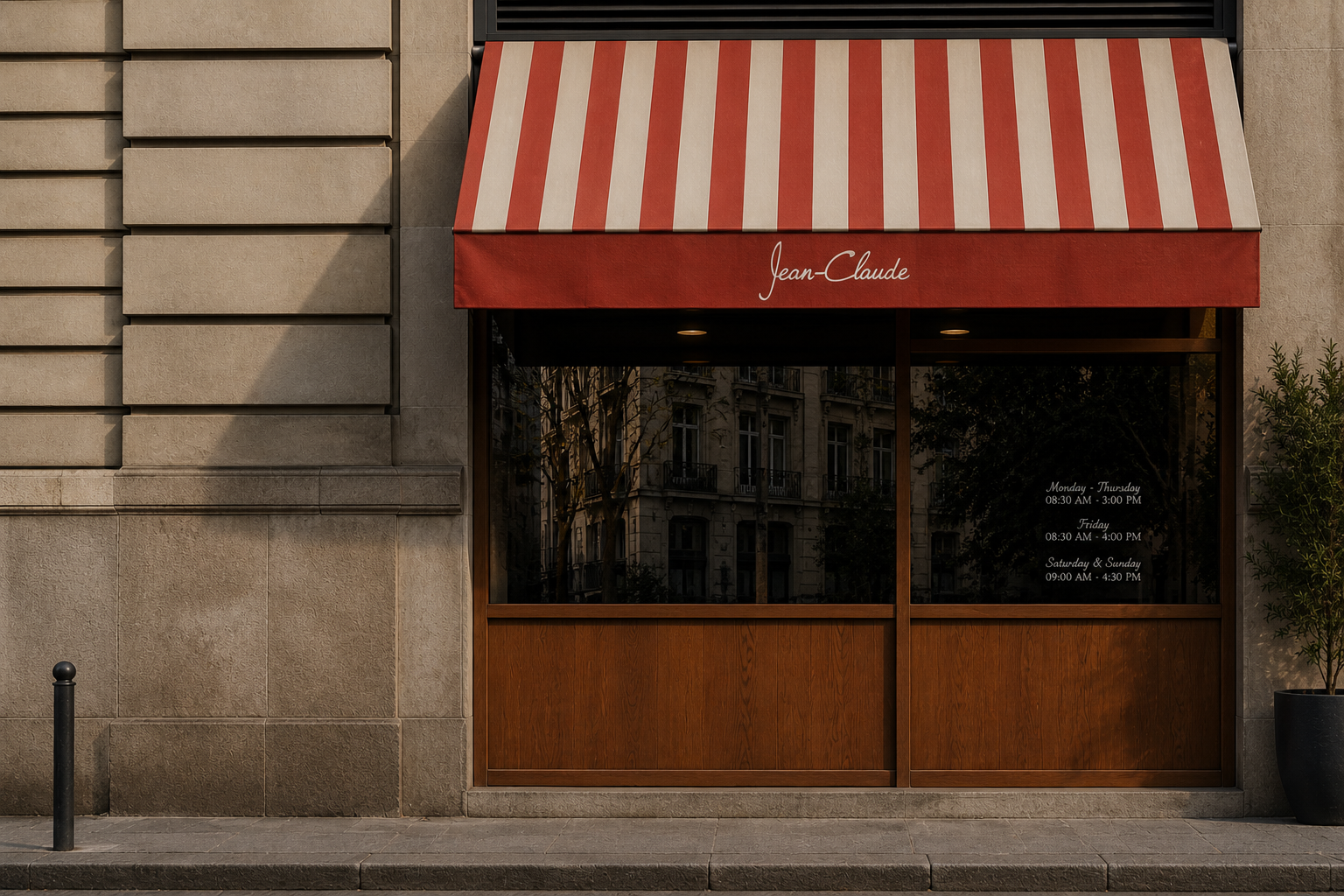
Jean Claude Bistro
The Brand Research that felt like a talking stage… with a ghost.
When We were called in to audit the brand, the new owners had just bought the place “Chez Jean-Claude,” an old and abandoned bistro in the French neighborhood of Beirut.
We started like we always do: questioning the owners, aligning on vision, defining objectives. The KPIs were clear, but the narrative was missing. Then I was handed a phone and a pile of dusty journals. At first, they looked irrelevant… until I realized they belonged to Jean-Claude himself. Messages, recipes, photos, notes to his wife, Sophie. One thing led to another, and soon I found myself meeting his old staff.
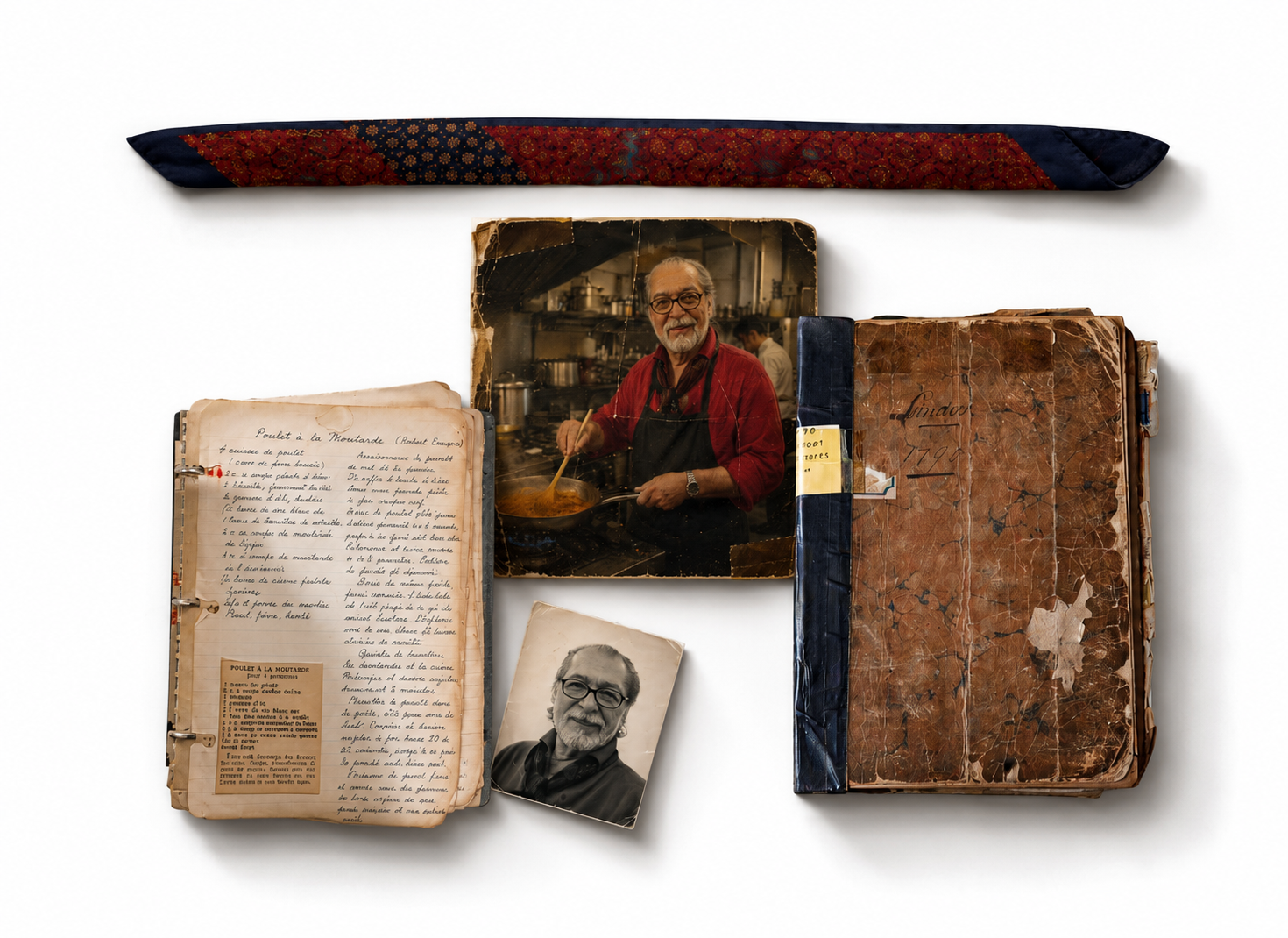
My stomach tightened, that same nervous curiosity you feel before a first date. I wanted to know everything about him: who he was, how he spoke, what made him impatient, what made him proud. Like a girl trying to read a man through his friends before meeting him, I tried to read him through others: their words, their nostalgia, their tone when they said his name. Except this time, he wasn’t the one showing up.
The more I listened, the more he started to exist in my mind. Jean-Claude began to take shape like a character I was writing: grumpy, uncompromising, obsessive about flavor; A man who expressed affection with perfection. Then came Sophie, his counter weight, his softness. Shewas the kind of woman who could turn a customer into family. And that’s when his heart revealed itself: behind all that rigor, there was warmth. Together they built a dynamic most brands try to engineer: structure and emotion in perfect balance.
All of it formed more than a mental image; it became a brand persona, a behavioral archetype defined by contrast: his perfectionism and her ease, his structure and her empathy. That duality became the foundation of the brand system. The icon became a psychological anchor,a visual short hand that allows the audience to recognize him instantly and re-enter his world.
Translating that presence into strategy required delicacy. I didn’t want to glorify a past, rather, it was about managing legacy as brand equity. We needed to re-engage his loyal audience while reaching a new generation who had never met him but could still experience his essence through the space. Every touchpoint had to sustain that continuity. The brand system needed each element to contribute to one unified narrative.
.png)
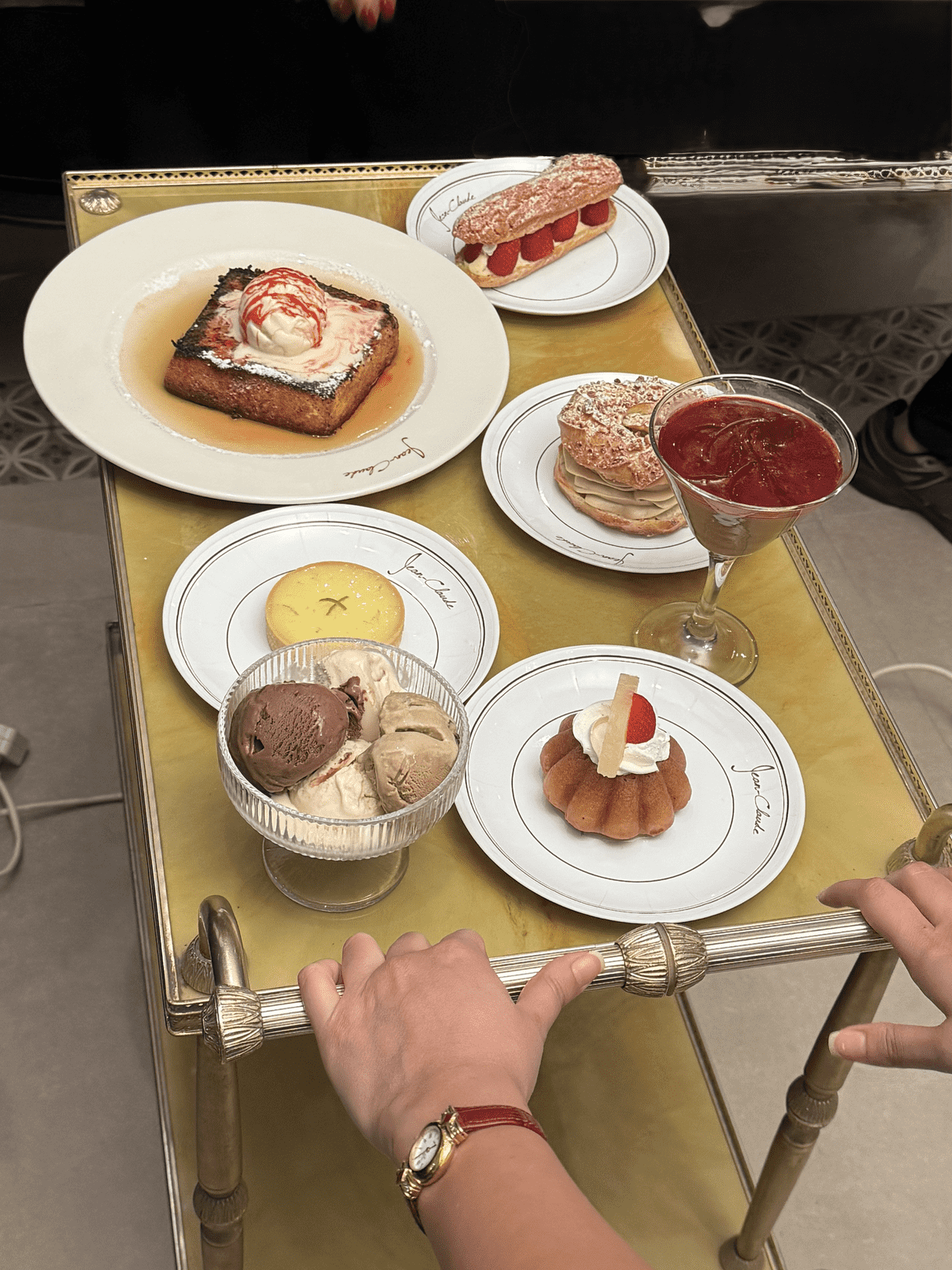
We kept the name, simplifying Chez Jean-Claude to Jean-Claude, transforming it from one ownership to another. The logotype was polished through refined proportions, kerning, and stroke balance, preserving recognition equity while improving functionality across mediums. The hand-drawn icon, shaped from the composite image built during the audit, became the brand’s mnemonic device, a human cue that connects story to system.
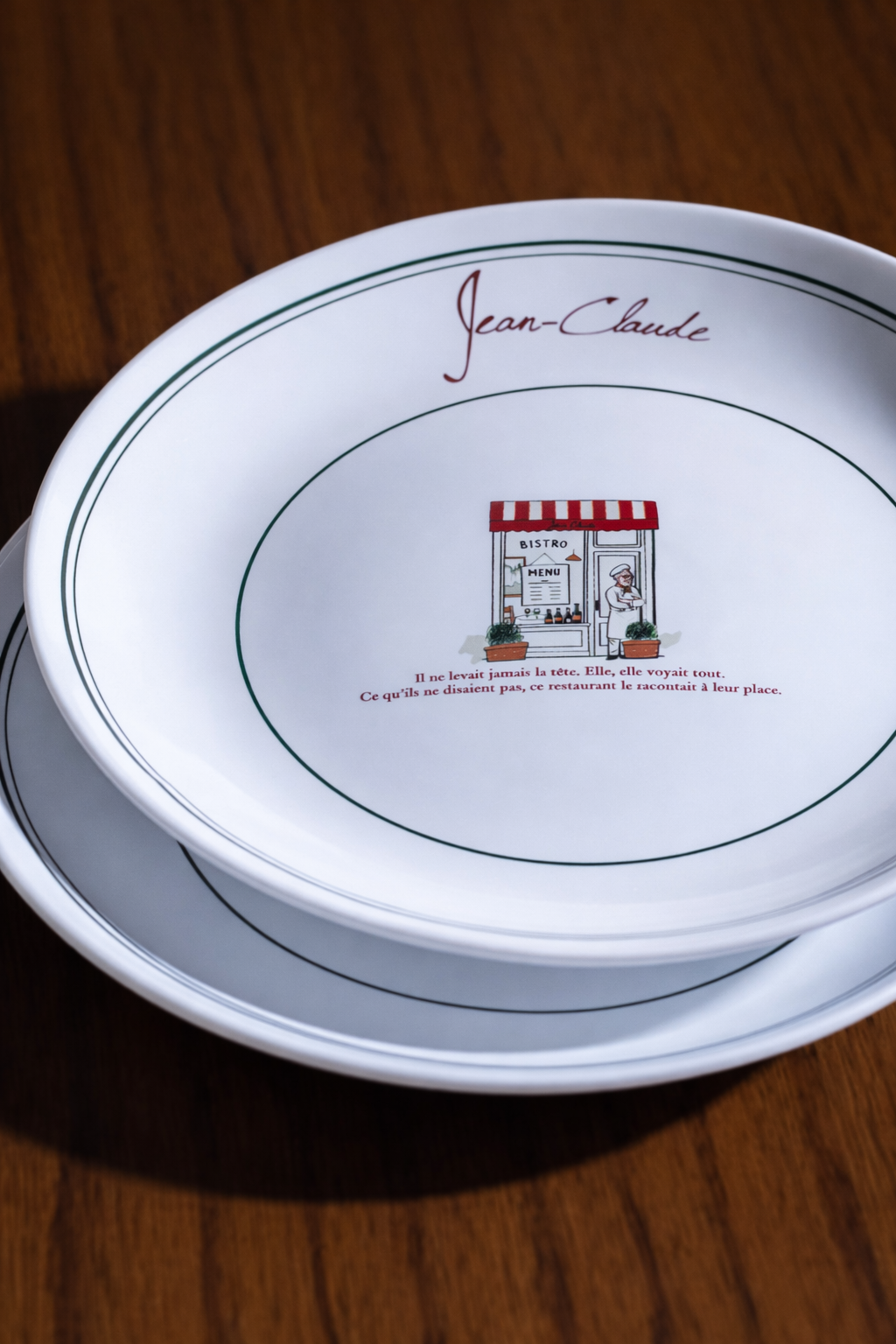
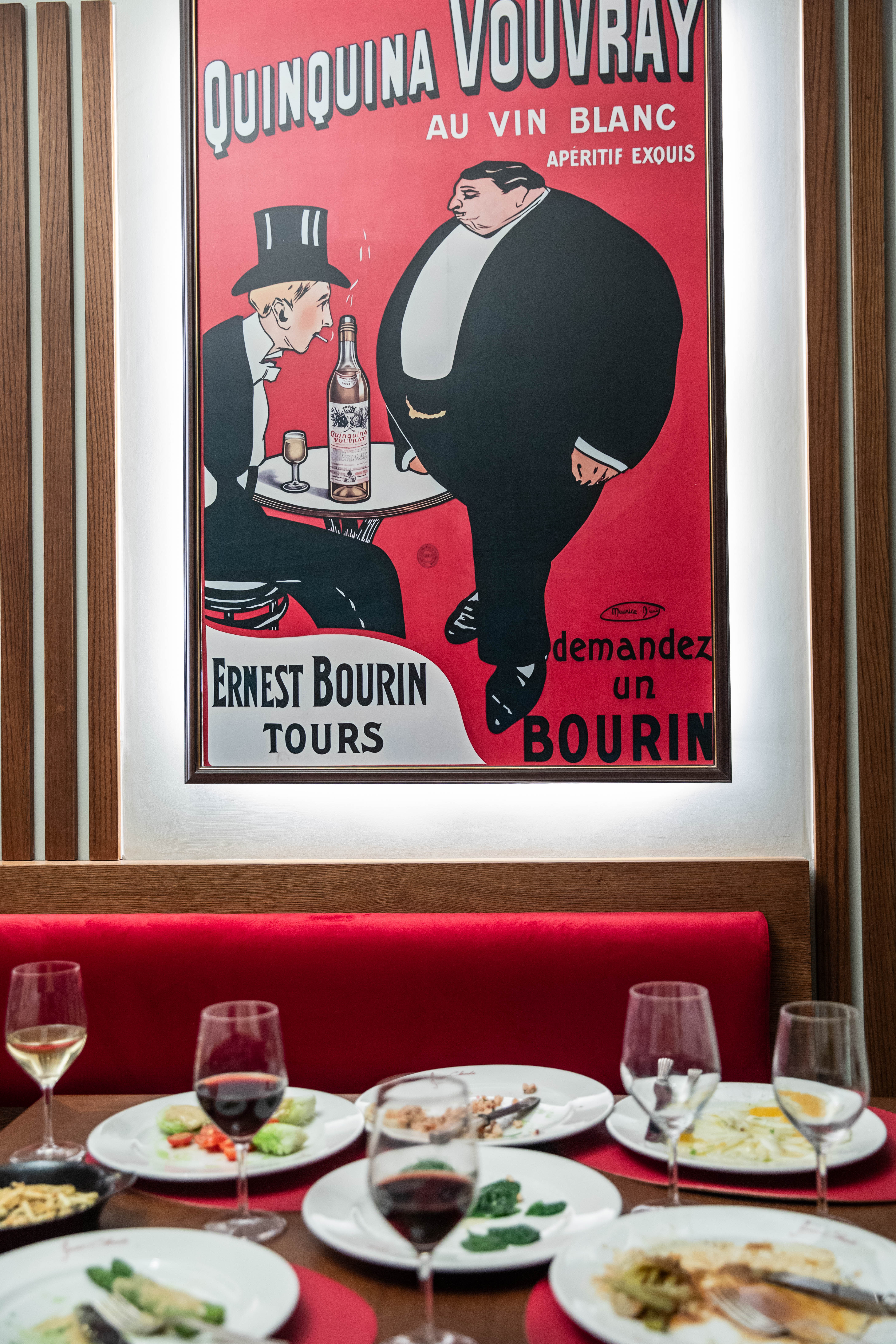
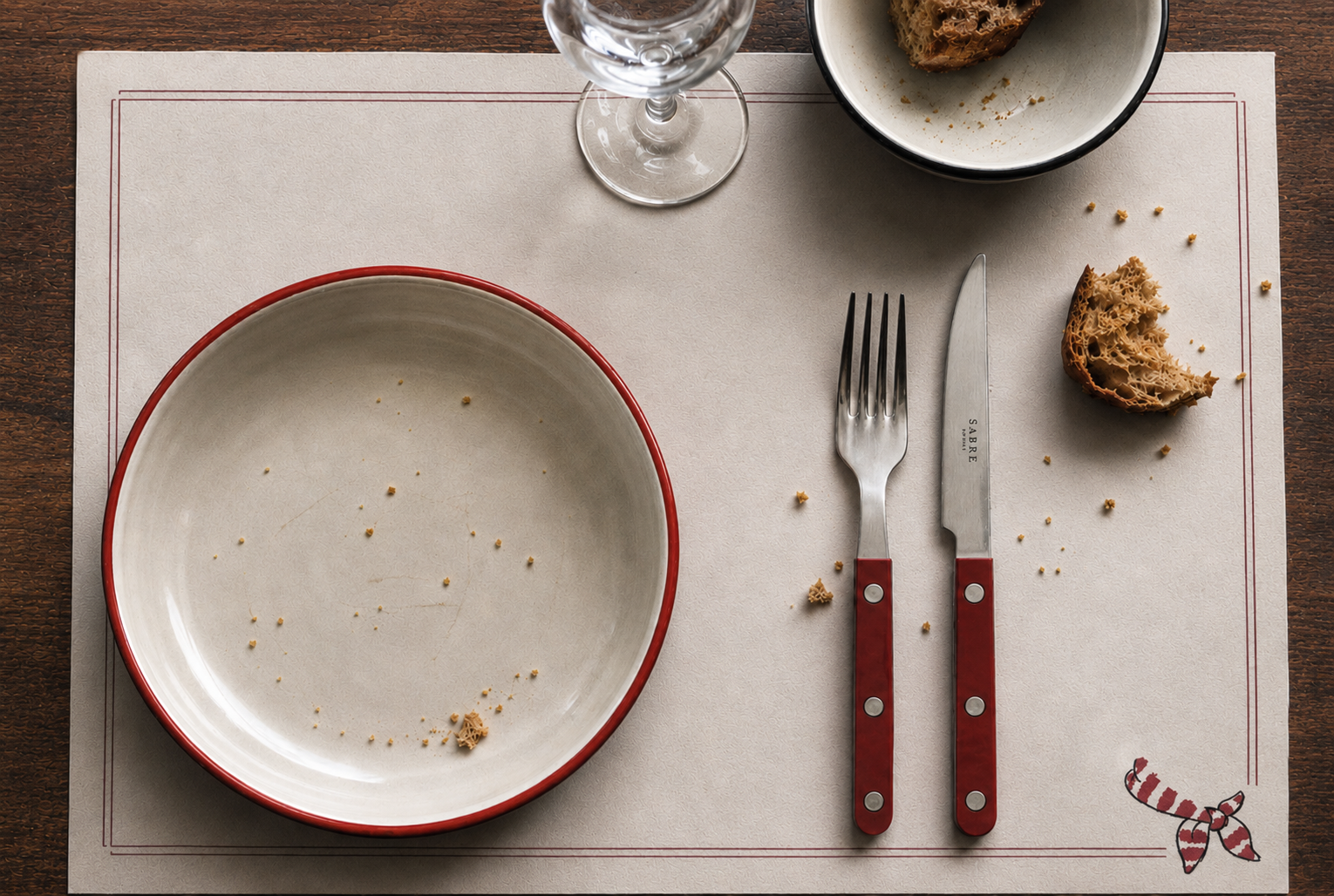
The brand narrative and copywriting were designed to express the relationship between Jean-Claude and Sophie. The storytelling tone balances his harshness with her ease, translating their human chemistry into voice. The scarf, once his habitual accessory, became a brand code within staff uniforms. The side plates acted as conversational triggers, featuring short, instagramable lines that reflected his dry wit and obsessive character. Napkins carried Sophie’s touch, handwritten notes revealing her warmth and presence.
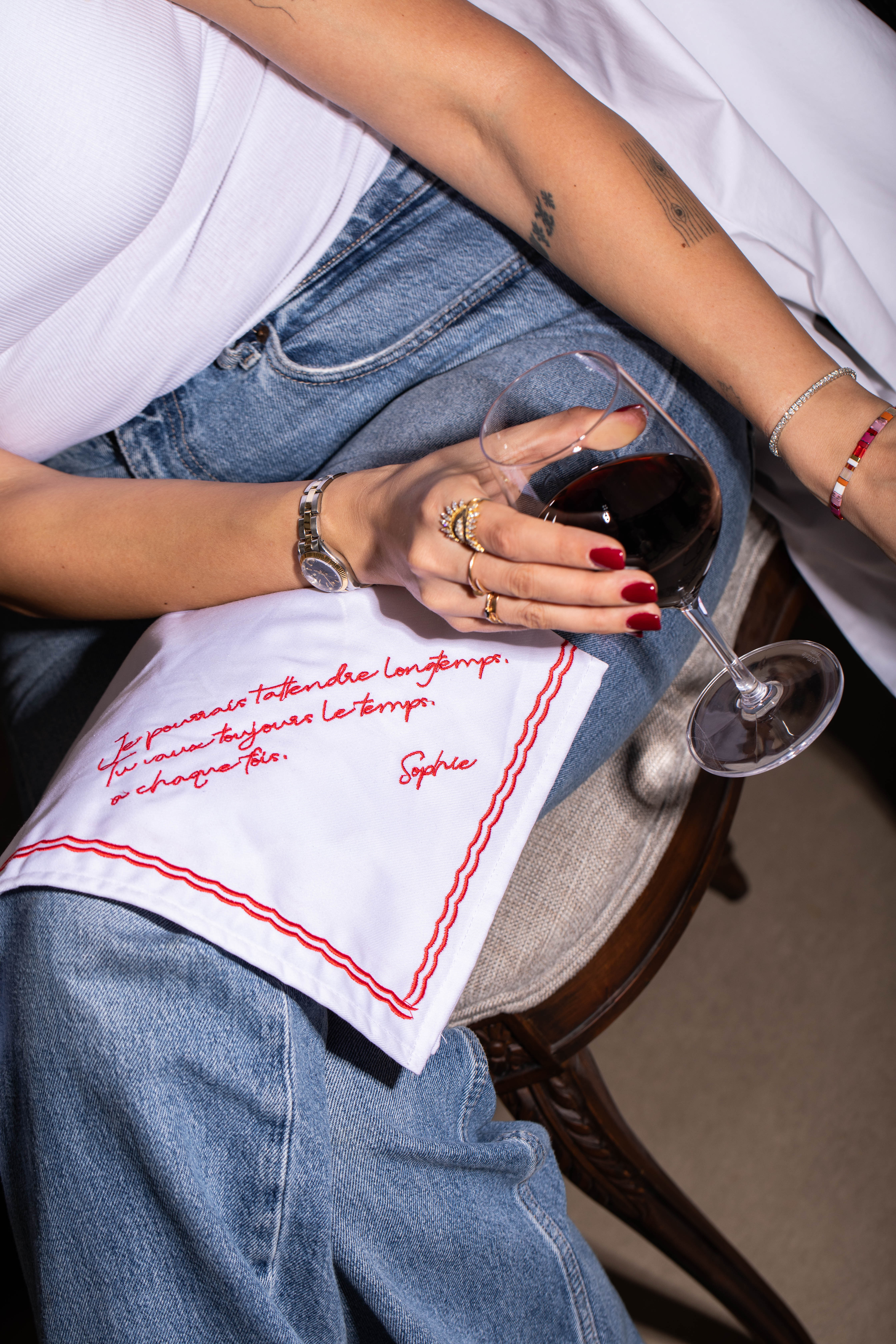
Throughout the brand, Sophie lives through hints. The choice not to give her a visual form was deliberate, we each have a Sophie in our lives. By leaving her unseen, the brand invites everyone to project their own version of her